
When data centers come to town, public works must be at the table
JasonDoiy via Getty Images





COMMENTARY | Data centers are not conventional projects, so questions about water, utilities, infrastructure, traffic, neighborhoods and more should be asked early.
When a data center is proposed, much of the initial attention may focus on investment, economic development and the technology the facility will support, which are understandable considerations.
But before a project moves from proposal to construction, communities also need to examine a more fundamental question: What will it require from the infrastructure that residents and businesses depend on every day?
This is where public works professionals belong in this important conversation.
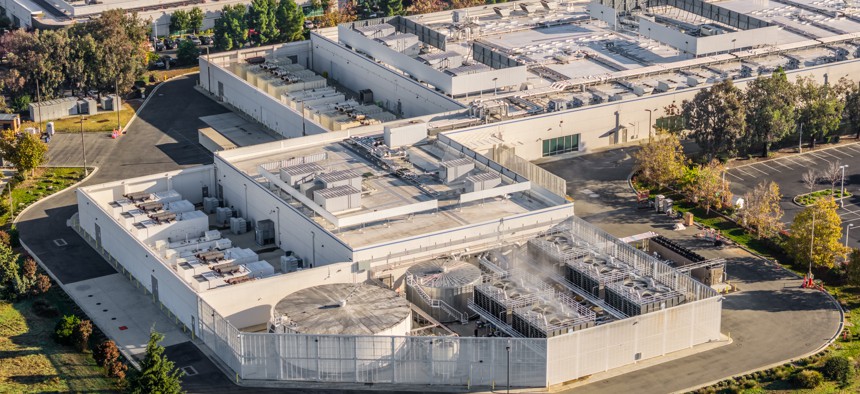
Data centers are not conventional developments. Their physical footprint can be substantial, while their demands for water and electricity may be considerably different from those of other facilities of similar size. Their construction can affect roads, traffic patterns, stormwater systems, utilities and nearby properties. Their long-term operation may introduce questions involving noise, lighting, emergency access, environmental impacts and future use of the site.
No two projects or communities are exactly alike. A data center that can be accommodated in one location may present very different considerations in another because of available water supplies, utility capacity, transportation networks, environmental conditions, or local development plans.
That is why these decisions should begin with questions, not assumptions.
Where will the water come from, and how much will be needed? Can existing systems meet that demand while continuing to serve residents and other businesses? What utility extensions or upgrades will be necessary, and who will be responsible for them? How will construction traffic affect local roads and neighborhoods? What stormwater controls will be required? How will the project fit with the community’s land-use, environmental and sustainability plans?
Communities should also look beyond a data center’s opening day. Technology and facility needs change. Local officials should understand whether a project will be developed in phases, how infrastructure demands could change over time and what would happen if the facility eventually closed or the property redeveloped. Decommissioning plans and appropriate financial protections deserve consideration alongside construction schedules and opening-day requirements.
Public works professionals are especially well positioned to help communities answer these questions because they understand that water, transportation, stormwater, utilities, land use, emergency access and environmental systems do not operate independently. A decision affecting one system can create costs, capacity concerns, or operational consequences for another.
Their involvement should not be reserved for the point at which plans are substantially complete and infrastructure improvements must be designed. Public works expertise is most valuable in the early stages of planning, while a community is gathering information, evaluating options and determining what it will require from a proposed development.
Early involvement also supports better public communication. Residents will understandably have questions about a project of this scale. They may want to know how it will affect water supplies, traffic, nearby properties, public services and local finances. Public works professionals can help translate technical information, distinguish known impacts from unanswered questions and give residents and elected officials a clearer understanding of what is being considered.
To support that role, the American Public Works Association has developed a new Data Center Development Toolbox. Created by APWA’s Technology Committee with input from committees representing engineering and construction, sustainability and resiliency and water resources management, the toolbox provides an introductory set of talking points and questions for public works professionals involved in these discussions.
The resource does not advocate for or against data center development. It does something more useful: it helps communities identify what they need and what they need to know.
That includes examining the scale and location of a proposal; water and power requirements; transportation and construction impacts; stormwater and environmental considerations; zoning and land use; economic incentives and community benefits; public outreach; and plans for the property over its full life cycle.
Communities may reach different conclusions after considering those issues. What matters is that the conclusions are informed, the infrastructure implications are understood and the people responsible for managing those systems have been heard.
Data centers may be built to support the technology of the future. The local infrastructure supporting them, however, must also continue serving the people who live and work in the community today. Public works professionals can help communities strike that balance — but only if they have a place at the table before the biggest decisions have already been made.
Scott Grayson is CEO of the American Public Works Association, a 501(c)(3) nonprofit representing more than 33,000 public works professionals across North America. APWA is headquartered in Kansas City.