Artificial intelligence



Urban Institute releases guidance for state and local agentic AI adoption
The playbook is intended to help state and local leaders better prepare for and maintain the responsible implementation of agentic artificial intelligence.


As police increasingly embrace AI, some wait for regulations and proof it works
New Jersey has no statewide guardrails on police use of artificial intelligence, but that hasn't stopped cops from using it.


Free AI models won’t fix scarce public services without public infrastructure
COMMENTARY | Efficiency gains may be absorbed through higher caseloads, reduced staffing or new reporting demands. Governments must work out how best to use any time savings.


‘Don’t be afraid to try’ AI in public health, state official says
Iowa and Oklahoma are seeing program efficiency and staff productivity gains as state agencies increasingly weave artificial intelligence into their operations.
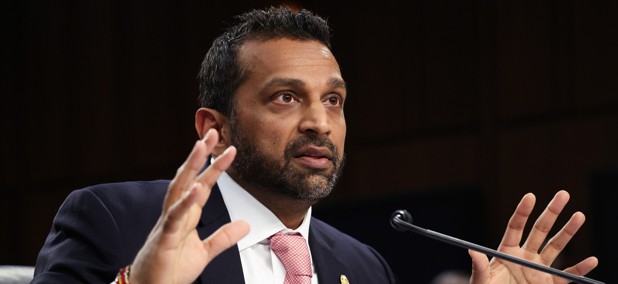

FBI needs access to latest models to police AI-driven cybercrime, director says
Federal Bureau of Investigation Director Kash Patel spoke about how he thinks the bureau can best police new AI-related criminal activity, beginning with model access.




NYC Council summons Open AI and Anthropic to AI hearing
Freaked out about AI? The New York City Council is too.


Pennsylvania politicians react to calls for an AI development slowdown
Gov. Josh Shapiro, Attorney General Dave Sunday and members of Congress have weighed in on calls to slow AI development.


Environmentalists push Michigan lawmakers to forge ahead on moratorium and regulations for data centers
Groups looked to remind elected officials of data centers' effects as members of the state senate returned to work.


Frontline caseworkers need the right tools to implement federal rule changes, civic tech leader says
Enabling caseworkers who help residents navigate public benefit programs with the right resources and tools is especially important as governments grapple with ongoing rule changes from the federal government, one expert says.


Local government AI training needs workflow proofing
COMMENTARY | Training should be treated as the beginning, rather than the finish line, and judge what works after the excitement of being in the classroom fades.
Featured eBooks





Inside South Bend, Indiana’s journey creating a digital service team
The city’s digital service division used early successes to build a solid reputation in government, which has helped the team accrue long-term support for bigger projects, one official says.


AI safety advocacy group launches new state-level effort
Americans for Responsible Innovation debuted the advocacy arm to bring responsible AI policy assistance to local lawmakers.


The largest US school districts restrict student AI use
Los Angeles and New York City banned most students from using artificial intelligence in classrooms this school year.


AI and the new rules of digital trust: Watermarks
COMMENTARY | AI watermarking will become more than a tech issue for governments. In time, it could help them authenticate official communications and identify fraudulent ones.


NYC’s new school AI ban explained: What’s changing? What’s still murky?
NYC public schools will ban student-facing generative AI through eighth grade and cap screen time, Mayor Mamdani announced. But key details — including the specific tools affected — remain unclear days before school starts.


Nevada lawmakers propose oversight for state, local agencies using AI
Elected officials want basic standards governing how the technology is used by state and local government entities.


New AI center announced for St. Louis
The Spirit of St. Louis AI Innovation Center looks to position the city and the surrounding region as a hub for the technology with computing power and other resources.


States urge schools to use AI, but leave teachers on their own to stop cheating
Most states have published AI guidance for public schools, but they mostly avoid addressing academic integrity. That’s left many teachers adrift and frustrated when it comes to stopping AI-fueled cheating.


Why ‘mundane’ uses are most effective for AI
COMMENTARY | The unglamorous tools that give employees time back in their day may not generate headlines, but they help get government moving more efficiently.


Data centers are Americans’ least favored development, poll finds
The survey from Public First and ITIF found that 46% oppose data centers in their communities, compared to 26% who support, far behind other projects.

