State and Federal Relations
This cybersecurity agency is supposed to protect U.S. elections. Officials fear it’s been compromised by Trump.
President Donald Trump’s 2027 budget proposal would reduce funding for the Cybersecurity and Infrastructure Security Agency by another $700 million, which could necessitate 900 additional layoffs.


Schools, libraries say E-Rate’s ‘ongoing’ work should continue
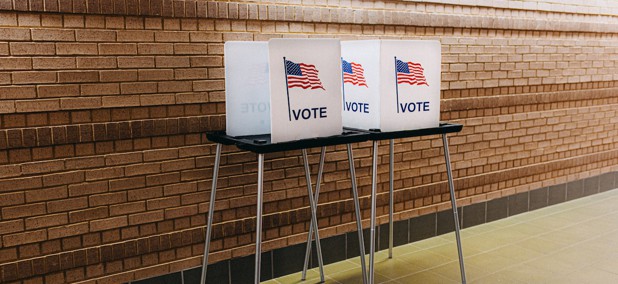
In comments filed with the FCC, hundreds of school districts and libraries said the program is vital, and tweaking it would blow holes in local budgets that would be impossible to plug.
Officials see gaps in election communications as AI makes foreign influence easier
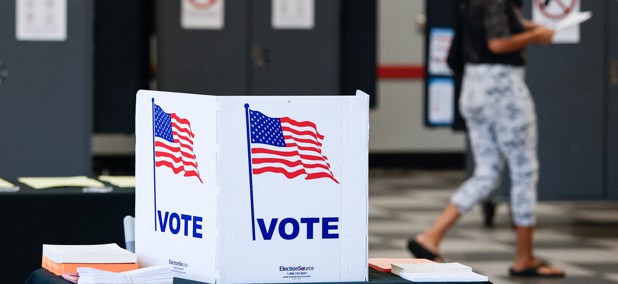
Sources describe weakening cooperation between the federal government and state and industry partners ahead of the midterms, as AI gives foreign operatives cheaper ways to produce and spread deceptive messages.


Fears about kids’ online safety unite Democrats and Republicans
Amid a decline in youth mental health, momentum builds for a federal crackdown on social media companies over protections for kids.

New Mexico attorney general and state lawmaker announce push to rein in rogue AI models
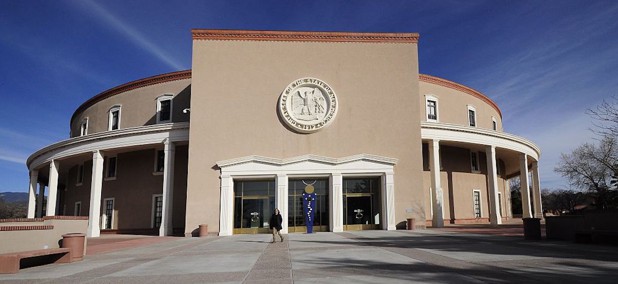
The bill would create a new Office of Online Safety Monitor within the New Mexico Department of Justice tasked with enforcing new requirements imposed on large AI companies.
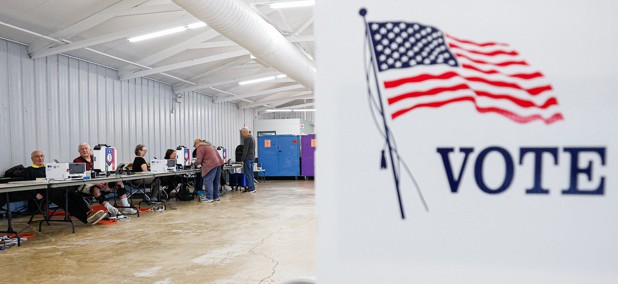
Renewed CISA support comes too late for midterm prep, some election officials say
Arizona still plans to accept federal help on Election Day, while officials warn that staffing cuts have weakened relationships and left smaller jurisdictions with fewer resources.




‘Trust issue’ means states will keep regulating privacy, lawmaker says
Opponents of state action have called for Congress to pass a national data privacy law, which has been unsuccessful so far. Residents are scared of tech and AI and want help, a Virginia delegate argued.
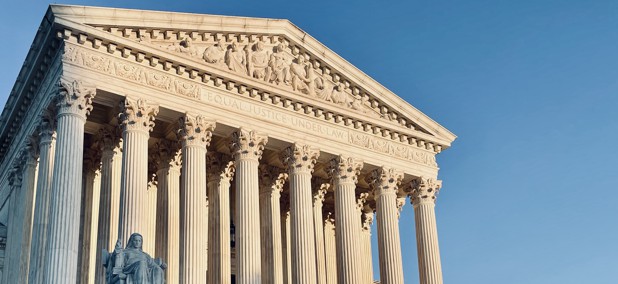
Supreme Court OKs use of federal citizenship tool to vet voters, but midterm impact will be limited
The ruling is a victory for Trump’s efforts to give the federal government a larger role in election administration.


State efforts to fill the ‘void’ left by the federal Direct File are underway
Nearly a year after the free, government-backed tax filing service from the IRS ended, states are trying to replicate it or find other ways to make tax filing easier for residents.
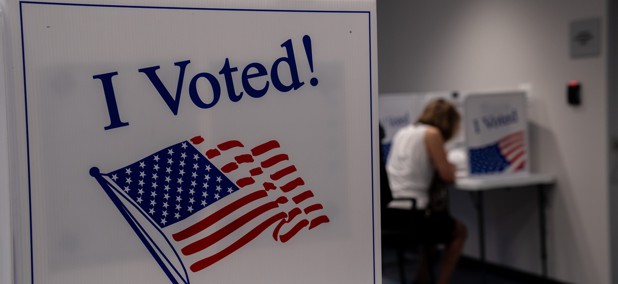
CISA pledges election security support after cuts weakened ties with states
A new plan emphasizes threat sharing and coordination ahead of the midterms, but does not explain how those commitments fit with proposed cuts to dedicated election security funding.


Feds target school internet subsidies in ed-tech backlash even as Trump touts AI
Federal regulators are scrutinizing E-Rate school internet subsidies in the name of controlling screen time. School district leaders fear the fallout.
Featured eBooks


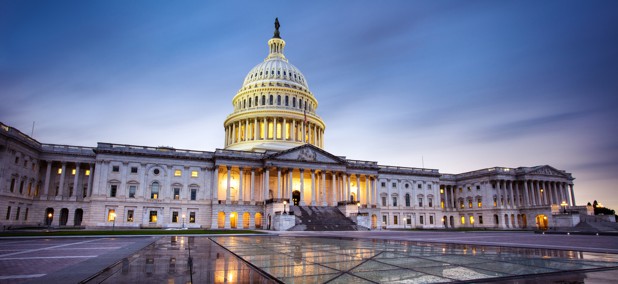
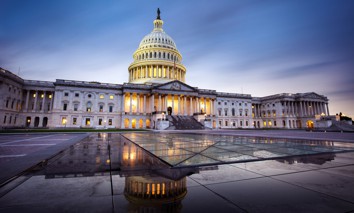
Do data centers need a ‘national strategy that puts communities first’?
The House passed a bill to mandate that state regulators have a strategy to have large consumers pay for their own power. But plenty of work lies ahead.


BEAD’s job is both ‘easier’ and ‘harder’ amid funds release, research finds
States will soon be able to connect unserved locations, but several reports warned that a lot of hard work remains ahead to truly close the digital divide.


‘We cannot ignore the warning signs’: Shapiro pushes federal government to act on AI
The governor criticized President Donald Trump and U.S. House Speaker Mike Johnson for failing to prioritize AI regulations in Washington, D.C.


Money worries weigh on critical infrastructure amid growing cyber threats, report finds
A joint study found that while almost all state tech leaders are worried about cyberattacks, they lack the funding to protect some of these crucial systems.


Pennsylvania politicians react to calls for an AI development slowdown
Gov. Josh Shapiro, Attorney General Dave Sunday and members of Congress have weighed in on calls to slow AI development.


What happens to BEAD dollars after the last location is connected?
COMMENTARY | States may still be left with additional funds even after their existing obligations are met. The future use of those funds is a significant policy and implementation issue.


States can spend leftover BEAD funds to connect missed locations, NTIA says
The National Telecommunications and Information Administration said states can use at least some of the remaining $21 billion for anywhere still unserved by broadband.
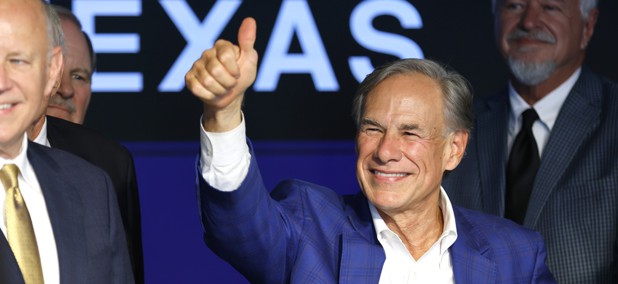

White House launches water cybersecurity pilot in Texas
Project Watershed 250 will stress-test utilities over six months and could serve as a model for protecting water providers nationwide.


States are mostly compliant with website accessibility rule, report finds
But many remain concerned about their ability to investigate and remediate any issues ahead of next year’s extended deadline, the report from NASCIO notes.


How the World Cup became a ‘forcing function’ for drone security
While some acknowledged the rollout was a little “chaotic” at times, experts said it has helped states and cities think a lot more about how they manage their skies.

