
Data center audit lacks specifics even as Gov. Abbott, industry leaders tout it
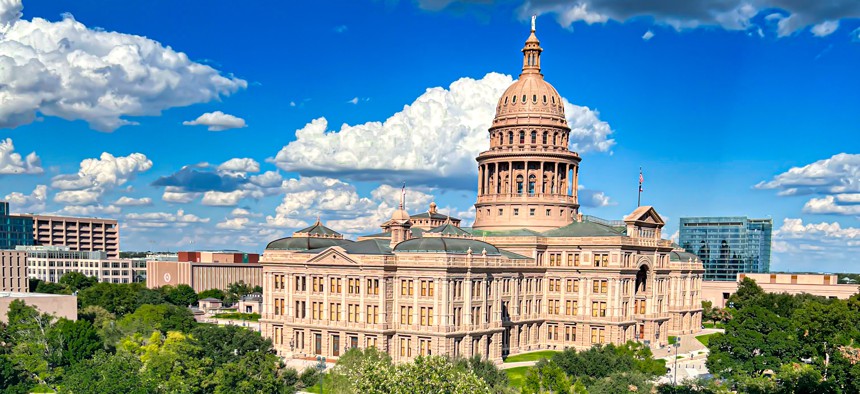
Alyssa Langston via Getty Images





Without key details on the audits but the eagerness to support them, policy watchers question how impactful these audits will be in curbing data center growth.
This article was originally published by Texas Tribune.
Tech companies are lining up to voice support for Gov. Greg Abbott’s audit of data centers seeking to connect to the power grid, although little is known about what the audit will entail or what it means for the data center construction boom.
Since the Aug. 3 announcement, at least 43 companies — including juggernauts like Meta, OpenAI, Microsoft and Amazon Web Services — have issued public statements expressing support for Abbott’s audit, despite the governor ordering regulators to not approve any new grid connections until the audit is completed. The governor has similarly touted their endorsement of his plan.
“We share your commitment to ensuring data centers are true partners in every Texas community where we operate — protecting residential ratepayers, strengthening grid reliability and promoting responsible water stewardship,” read a letter to the governor sent Tuesday by the Data Center Coalition, a trade association representing many of the largest tech companies in the world.
Abbott directed the Electric Reliability Council of Texas, which regulates the state’s power grid, to conduct the audit, but it’s unknown how long the audit will take, how long the moratorium on grid connections will last, how many data centers will be audited and how the information gathered in the audit will be used by regulators and legislators.
Without these questions answered, it’s unclear how much of this audit will address the public’s concerns about data centers, particularly their impact on energy access, water use and the environment.
Citing polling data that shows growing discontent among rural Texans toward the buildout of data centers and competitive General Election contests for governor and U.S. Senate, Texas Politics Project Director Jim Henson said the moves by Abbott and the companies raise questions about how impactful the audit and freeze of approvals will actually be.
“It’s all very performative, it’s performative on everybody’s part,” Henson said.
Abbott’s office has largely directed questions about the audit to his public statements on the topic since Aug. 3. The PUCT and ERCOT have also remained largely silent on the matter, and the PUCT scheduled an emergency meeting for Friday morning to discuss the issue.
ERCOT did say in a Monday filing it expects the audit will last “several months” and is expected to begin shortly after Aug. 20.
Navigating the Politics of Data Centers
Michael Jewell, an attorney who has represented large industrial companies on energy issues and policy, said it’s no surprise the companies are willing to play along because they were already working to address many of these issues in response to public backlash.
“I think the data centers are going to comply with it, and they’re absolutely willing to comply with it,” Jewell said. “They want to be sure they understand what the requirements are and how this is going to develop, and that’s still a work in progress. I’m hoping that what we’ll do is on Friday, start to get a better understanding of what the process is going to be.”
Many of the companies have planned projects in the ERCOT large-load queue, or the line to receive approval for energization, which Abbott said no data centers may advance from until the audit is completed. While the ERCOT grid does not include the entirety of the state, Abbott said the pause on grid connections is statewide because the PUCT authority extends beyond the ERCOT grid.
This attempt to rein in data centers is a reversal for the governor, who called Texas the “epicenter of AI development” in November.
Abbott has touted many of these company announcements of compliance with statements of his own, each arguing that both his audit and previous directives to the PUCT and ERCOT have established clear guardrails that will prevent the data centers from passing costs on to the residents living near them.
“What Governor Abbott is doing is working,” wrote Andrew Mahaleris, Abbott’s press secretary. “Data centers across the state have announced their full compliance with those standards, which provide guardrails that protect our communities.”
Fox News’ July 30 poll showed Abbott leading Democratic state Rep. Gina Hinojosa by one percentage point in his bid for reelection. The poll’s crosstabs found a narrower margin of support among rural Texans, a group that typically supports Republican candidates in large numbers and live where many data centers are cropping up.
A Texas Tribune analysis found more than half of all data centers planned to be built in Texas are planned for unincorporated areas only governed by a county government, which typically have little power to block development.
Henson described Abbott’s audit and the data center companies’ support for it as a “political balancing act” as both parties work to maintain public support — Abbott for his upcoming reelection bid and data center companies for their plans to keep building the facilities in large numbers.
“These kinds of pronouncements and maneuvers will look differently and get different kinds of coverage after the election and once we get into the legislative part of the policy response process.”
Is Abbott’s Plan Enough?
Abbott’s letter said the audit should ensure data center developers provide information on tax breaks they will receive; power use and generation; water use and cooling operations; efforts to reduce impacts on local communities; and ownership of the facility. Any projects that fail Abbott’s ordered “comprehensive verification and audit” should be denied connection to the grid, the governor said.
A June 10 letter by Abbott directed the PUCT to ensure data center interconnections to the grid will result in reduced residential electricity bills and data centers will pay for all of their electrical infrastructure costs.
Abbott has already called on the Legislature to repeal the state sales tax break for data centers, which has ballooned to more than $1 billion a year in value as more data centers were built in the state. Officials from the Comptroller’s Office said in late July that at least 10 new data centers a month are expected to be certified to receive the sales tax break through the end of the year.
It is also unclear how effectively the pause on interconnection approvals will slow the data center buildout. While companies will not be able to be energized by the ERCOT grid, a March paper by law firm Troutman Pepper Locke highlighted the growing trend of data centers partnering with energy companies to build power plants connected directly to data centers, circumnavigating the need for broader energy grid connection.
Hinojosa has argued the governor should immediately call a special session so the Legislature can quickly pass regulations, or a total moratorium on the construction of data centers until the Legislature’s regular session begins in January.
“When the companies being regulated are cheering for the rules, you know the rules were written for them, not for Texans,” Hinojosa wrote in a statement.