Prisons and Jails



Feds vote to move forward with cellphone jamming, a longtime priority for South Carolina prisons
A plan to allow cellphone jamming in state prisons can move forward, the Federal Communications Commission decided Tuesday.


New York City turns to data sharing to help the formerly incarcerated reenter society
A six-month pilot program aims to expedite the process for people leaving a carceral setting to obtain a government-issued ID, the lack of which often stymies their ability to get assistive services, officials say.
An algorithm deemed this nearly blind 70-year-old prisoner a “moderate risk.” Now he’s no longer eligible for parole.
A Louisiana law cedes much of the power of the parole board to an algorithm that bars thousands of prisoners from a shot at early release.


Virtual reality helps incarcerated people practice reentry to society in California
By enabling incarcerated individuals to practice their life and personal skills in virtual reality simulations, officials hope to help them succeed in society and reduce recidivism.


A decade and $600M later, New York prisons still lack cameras
After footage of the killing of Robert Brooks sparked national outcry, Governor Kathy Hochul promised to fully equip New York prisons with cameras. The project has stalled for years.


Efforts to release prisoners from long sentences draw new interest
As America’s prison population both ages and increases, the “second look” movement has gained interest as a way to reduce overcrowding and potentially save money. But some say the laws could retraumatize crime victims and further burden a strained court system.
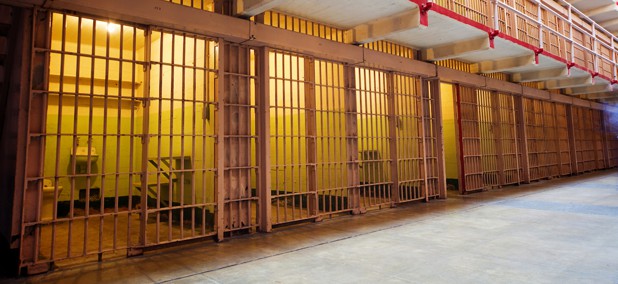
How states can help formerly incarcerated individuals stay sober
A Medicaid waiver can help state corrections facilities finance reentry services aimed at keeping previously incarcerated individuals in recovery and curbing the opioid crisis.


Senate approves six spending bills, averts partial government shutdown
Counties praised the package for addressing Medicaid access for the incarcerated. Now, congressional negotiators turn to the remaining six spending bills, which will determine the future of internet subsidies and other significant programs.
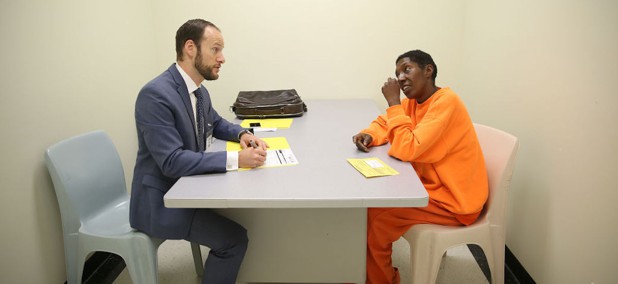
Releasing suspects pretrial doesn’t lead to higher crime rates, experts say
Some states and jurisdictions are taking different approaches to cash bail.
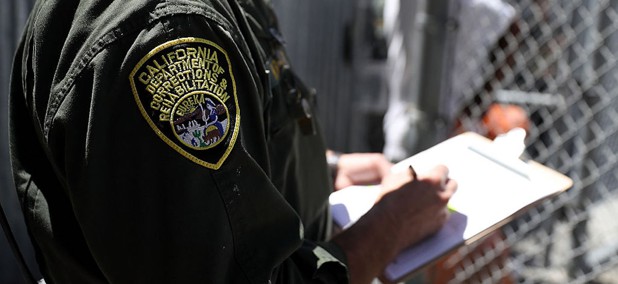
California prison drug overdoses surge again after early treatment success
Drug overdose deaths in California state prisons rebounded to near record levels last year, a big setback for corrections officials who thought they were on the right track with medication-assisted treatment efforts. Officials blame fentanyl.
Featured eBooks





Recovery Court: This judicial diversion program converts sweat equity into freedom
COMMENTARY | Recovery Court in Grayson and Carroll counties in Virginia allows some defendants to add a fitness program to their judicial interventions. The program may help some defendants stay out of jail, and the judges behind the initiative hope it will contribute to long-term recovery.
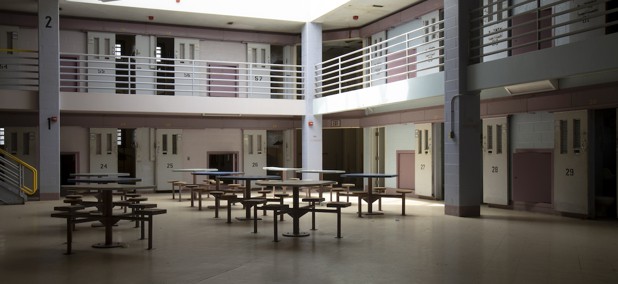
How many inmates return to prison? Inconsistent reporting makes it hard to tell.
States define recidivism differently, which can result in misleading interpretations of the statistics.
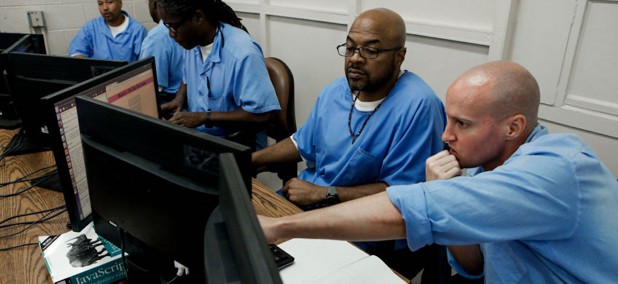
Education linked to better employment prospects upon release from prison
People who get an education while serving time are less likely to return to prison and more likely to enter the job market, an analysis finds.


Cash bail policies are under fresh scrutiny
Some places have done away with the system, while others are considering stricter guidelines.
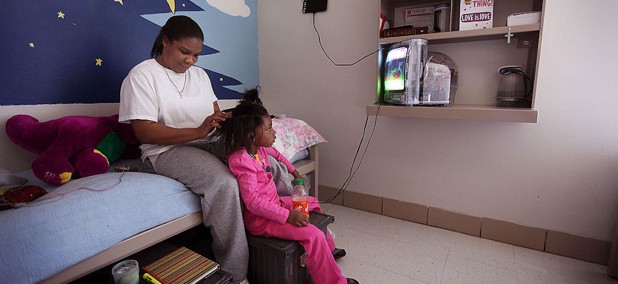

The parent-child bond is critical–even when prison walls separate them
In New Hampshire, a program helps incarcerated parents maintain relationships with their children. Data suggests it reduces recidivism, helps break the cycle of incarceration in families and improves resident behavior.


‘IGNITE’ing an educational fire in U.S. jails
An initiative launched in a Michigan county jail has been embraced as a national model for reducing jail violence and inmate recidivism.


Stifling prison heat used to be just a Southern problem. Not anymore.
Climate change has amplified heat-related struggles in more state prisons.
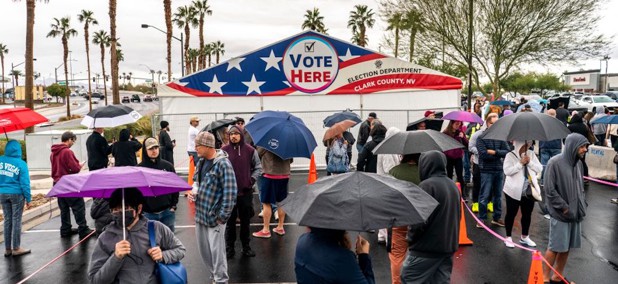
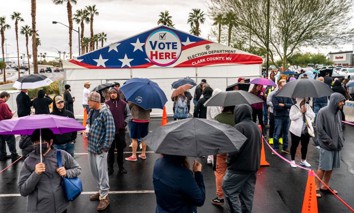
In reversal, some states make it harder for people with felony convictions to vote
Voting rights groups have filed a flurry of legal challenges to felony disenfranchisement laws this year.
Solving the problem of understaffed jails and prisons
State and local governments are working to attract and retain corrections workers. But it’s not easy, and the task is complicated by high burnout rates due to understaffing.


A Model for Reducing Female Incarceration and Breaking the Generational Cycle
A program in Tulsa, Oklahoma, has been changing lives for addicted women and their children. Here’s how it works.

