Technology
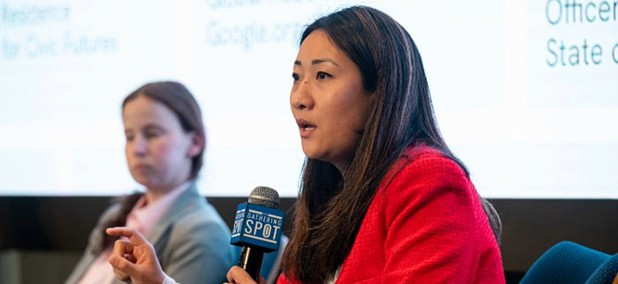


Will AI ban for NYC students exacerbate the city’s digital divide?
Education experts and advocates weigh in on the potential equity drawbacks of banning artificial intelligence in classrooms through 8th grade.
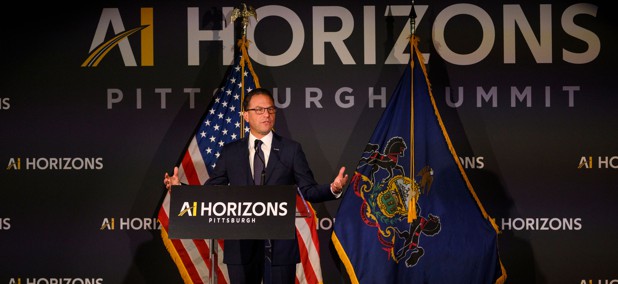

‘We cannot ignore the warning signs’: Shapiro pushes federal government to act on AI
The governor criticized President Donald Trump and U.S. House Speaker Mike Johnson for failing to prioritize AI regulations in Washington, D.C.


‘We're all just trying to help,’ local Service to the Citizen winner says
Crystal Sprague, the director of innovation and performance in Wyandotte County and Kansas City, Kansas, said her Service to the Citizen honor comes amid massive upheaval and change.
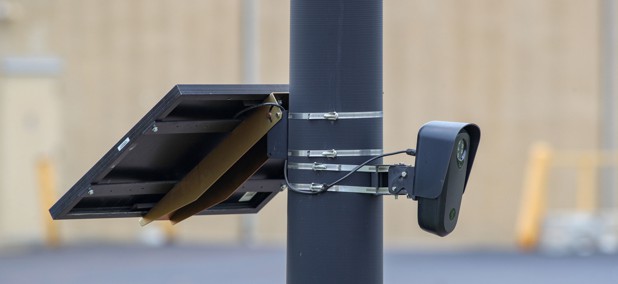
Flock blockers: 5 proposals seeking to regulate Flock cameras and ALPRs in Pennsylvania
Lawmakers in the General Assembly plan to introduce a number of bills looking to regulate automated license plate reader technology in Pennsylvania.
The hidden cost of tech complexity in state and local governments
COMMENTARY | Tool sprawl creates various challenges, including requiring more manual work and undermining security. A stronger operating model can reduce that complexity.


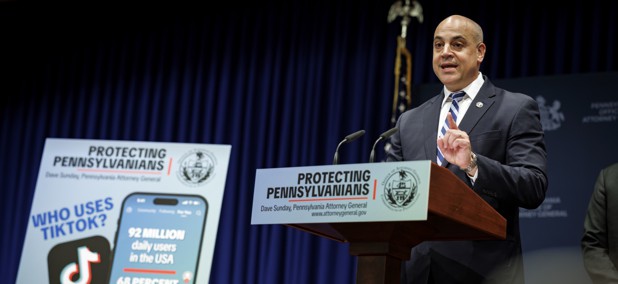
Pennsylvania Attorney General Dave Sunday announces lawsuit against TikTok
TikTok pushed back on the lawsuit, saying it relies on “misleading and inaccurate claims.”


Yearbook report recognizes states’ phone-free school laws
Eleven states were honored for passing new laws or strengthening existing ones governing phone use in schools, although some were dinged for confusing implementation.


From Benjamin Franklin to satellite: Celebrating 250 years of American communication
COMMENTARY | Our success as the United States has hinged not just on our shared ideals, but also on our ability to communicate and connect across long distances.


Building regions’ economies must move beyond ‘incentive wars,’ leading researcher says
Too often, state and local governments try to attract large tech companies with tax breaks and other sweeteners. But true growth should build an ecosystem that lets businesses of all sizes scale up.
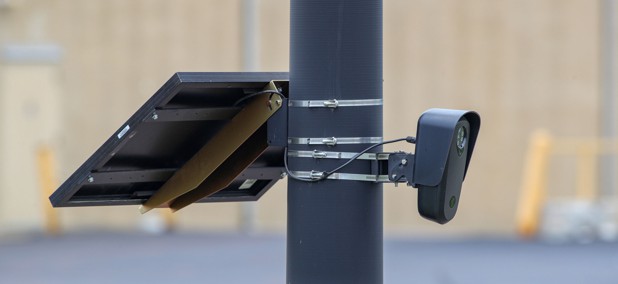
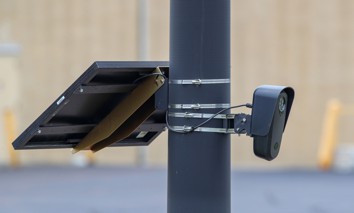
What the Flock? 8 things to know about automated license plate readers in Pennsylvania
ALPRs have drawn scrutiny from lawmakers and civil liberties groups, while proponents tout them as an important law enforcement tool.
Featured eBooks




For P3s to work, cities need more than capital
COMMENTARY | Public-private partnerships can help get projects done faster, but technology has to inform how they are measured, structured and held accountable.


How are New York’s congressional candidates using AI? Debate moderators want to know
“What’s your chatbot?” is the new “what’s your bagel order?”


House lawmakers advance measure to tax digital advertising platforms
Supporters say the legislation could generate hundreds of millions of dollars in annual revenue for the state.
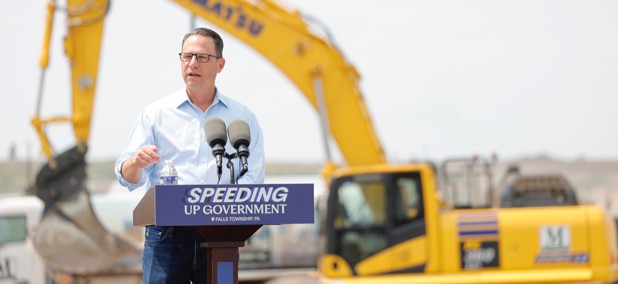
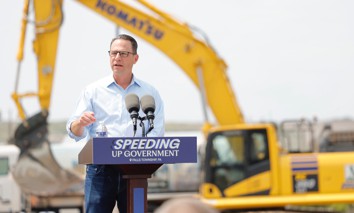
Gov. Josh Shapiro’s new data center standards reflect new reality
The announcement underscores the year-long evolution in the governor’s approach to what has become an energy and environmental flashpoint in Pennsylvania.


These tech regulation laws passed the Colorado Legislature this year
After two years lawmakers arrived at an AI compromise.
How Broadcom’s VMware buy meant a ‘fundamental shift’ for county tech
Leaders said the 2023 acquisition has led to negative changes in licenses, pricing and support, with many now considering moving away from the longtime vendor.


Pennsylvania sues Character.AI developer, alleging chatbots claimed to be medical professionals
Gov. Josh Shapiro’s administration says a controversial AI chatbot developer is violating the state’s Medical Practice Act.


State CIOs are more change leaders than techies, report says
The National Association of State Chief Information Officers found its members are being asked to simultaneously keep systems running and innovate, with tech expertise far less important.


The overlooked reentry tool for veterans: Prison tablets
COMMENTARY | How state and local corrections leaders can turn existing devices into a digital lifeline.
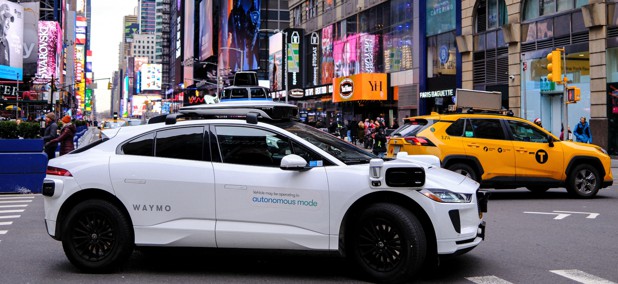
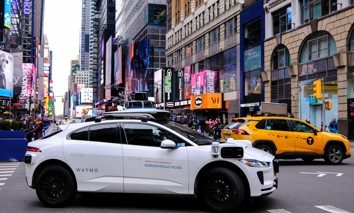
Across New York, debate about the inevitability of driverless cars begins
Waymo is crouched at the gates, and labor and worker advocates are hell bent on keeping them out.

