
More homes, safe neighborhoods, lower costs: The mayors’ agenda
Richard Newstead via Getty Images





COMMENTARY | City leaders are in a unique position to solve their communities’ problems and manage crises. With numerous challenges ahead, they are ready to get to work.
At a time of economic anxiety, strained public trust and rising demands on local government, Americans are once again turning to mayors for pragmatic leadership and real results. There is evidence that local leadership still matters deeply to Americans.
In fact, while many Americans believe the country is on the wrong track, they remain optimistic about the direction of their own communities. Being a mayor today means serving as crisis manager, civic steward and chief problem-solver — often all in the same day. But moments like this are not new for America’s mayors. In fact, the very creation of the U.S. Conference of Mayors grew out of a time of extraordinary national hardship.
In 1932, during the throes of the Great Depression, Frank Murphy, then the mayor of Detroit, called on city leaders from across the nation to gather and confront a crisis that was overwhelming local governments. Murphy believed cities needed a stronger voice in Washington to ensure federal policy reflected local needs.
Together these mayors traveled to Washington, D.C. to advocate for federal relief. A bipartisan coalition in Congress ultimately helped pass a relief bill that provided desperately needed assistance to cities across the nation.
Soon after, on the eve of the inauguration of Franklin D. Roosevelt as president, the mayors gathered at the Mayflower Hotel in Washington to write the charter for what would become the permanent U.S. Conference of Mayors, with Murphy serving as its first president. It was a watershed moment.
Nearly a century later, mayors once again find themselves on the front lines of great national challenges. And just as Mayor Murphy and his colleagues did in 1932, we will continue to use our collective voice to prioritize the people we serve.
In the year ahead, we will focus on what families across America are yearning for — more homes, safe neighborhoods and lower costs.
These are policies that everyone can support. They are everyday concerns that touch every community in America. And America’s mayors are working every day to deliver real results.
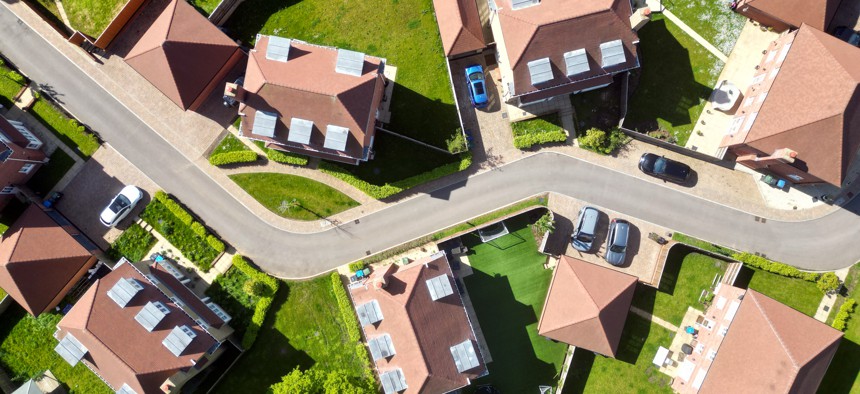
Across the country, families are increasingly questioning whether they can afford to live in the communities they call home. The shortage of housing has pushed prices beyond the reach of many working families. The real fight is not right versus left — it’s builders versus blockers.
To address this challenge, mayors are reforming zoning, streamlining permitting and converting underused spaces into housing — but local action requires continued and intentional support. We need federal policies that make it easier to build more homes and expand access to affordable housing. That begins with passing the first comprehensive housing bill in a generation.
The bipartisan 21st Century ROAD to Housing Act represents the most serious federal effort in decades to address this crisis. It would better align federal policy with the urgency cities are facing on the ground and help communities build the housing our residents need. Ensuring this bill becomes law is the top priority for the U.S. Conference of Mayors.
Families also want to know their neighborhoods are safe.
Everyone deserves a safe place to call home. Our cities have made great strides in reducing violence and crime, and in increasing the trust between law enforcement and our neighbors. We know there’s still more work to do, because no amount of violence and crime is acceptable. Together, we can — and are — pursuing smart initiatives and policies that make our communities better, safer places to live and grow.
And everywhere I go, I hear the same concern: the rising cost of living is simply unsustainable. Today, nearly 9 in 10 Americans say they are concerned about the overall cost of living. From rent to groceries to childcare, rising prices are squeezing working families.
Cities are finding innovative ways to lower costs, expand economic opportunities and raise incomes. These practical steps may not dominate cable news debates, but they make a real difference in people’s daily lives. We look forward to working with Congress on practical policies that help families keep more of what they earn, lower barriers to opportunity and make it more affordable to live and work in America’s cities.
When a streetlight goes out, when a business needs support, when a family needs a home — we need solutions, not partisan bickering. The nation’s mayors stand ready to work together with all in Congress and the Trump administration to strengthen our cities and improve the lives of the people we serve.
Nearly a century ago, in the depths of the Great Depression, a group of mayors came together because they believed cities deserved a stronger voice and that pragmatic leadership could help guide the nation through a crisis. Today, that mission continues. America’s mayors are on the front lines again — and together, we are ready to deliver.
Todd Gloria is the 37th mayor of San Diego and the president of the United States Conference of Mayors.