
Rise of ‘manfluencers’ leads Louisiana to propose update to its in-person recording rules
PonyWang via Getty Images





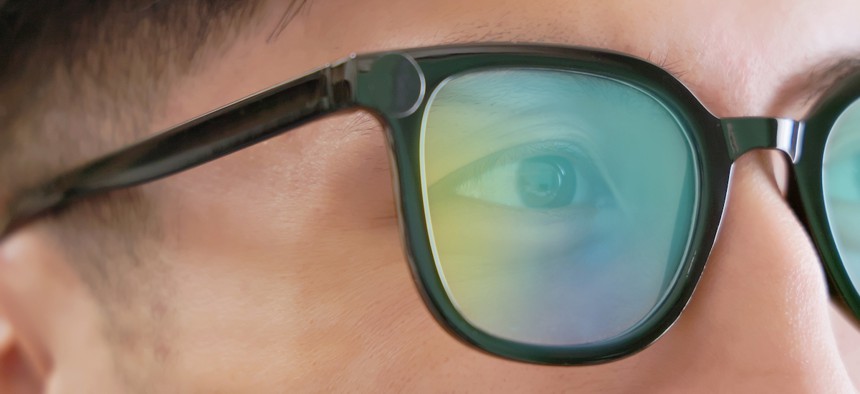
Louisiana is looking to crack down on those who use hidden recording devices like smart glasses to harass women.
This story was originally published by the Louisiana Illuminator.
Smart glasses have made it easier to subtly record personal conversations, so Louisiana is looking to crack down on those who use the technology to harass women.
House Bill 410, by state Rep. Laurie Schlegel, R-Metairie, was advanced Monday by the Louisiana House Civil Law Committee. It requires anyone recording an in-person conversation to notify those being recorded or potentially face a lawsuit with damages being awarded.
In its original state, the bill would have made Louisiana what’s known as a two-party consent state, meaning it would have required everyone present to agree to being recorded. Schlegel amended the bill Monday so that all parties must simply be informed of the recording.
The Louisiana Press Association, the state’s largest organization representing journalists and news outlets, opposes Schlegel’s bill.
Schlegel said she was prompted to file her bill after seeing how the increasingly popular, artificial intelligence-enabled technology has led to viral social media posts of women being recorded without their approval, leading to their harassment.
“Manosophere” influencers or “manfluencers” have been the subject of increasing public scrutiny for their misogynistic content and its influence on the young men and boys who consume it.
“When the legal concept of reasonable expectation of privacy was developed, no one was thinking about smart glasses or AI pendants,” Schlegel said. “So the question for this body is simple: What is reasonable today when it comes to privacy during an in-person direct conversation?”
Schlegel’s bill includes several exceptions, including recording evidence of a civil or criminal offense, recordings made in the home of the recorder, recordings of police and public officials, and recordings of public meetings, press conferences or rallies.
The amendments added civil offenses to the list of exceptions, as Schlegel said a victim of an offense such as sexual harassment may need to gather evidence, even if the offense doesn’t rise to the level of a criminal offense.
Louisiana Illuminator is part of States Newsroom, a nonprofit news network supported by grants and a coalition of donors as a 501c(3) public charity. Louisiana Illuminator maintains editorial independence. Contact Editor Greg LaRose for questions: info@lailluminator.com.