
College students using deepfakes to harass could be investigated, punished under proposed law
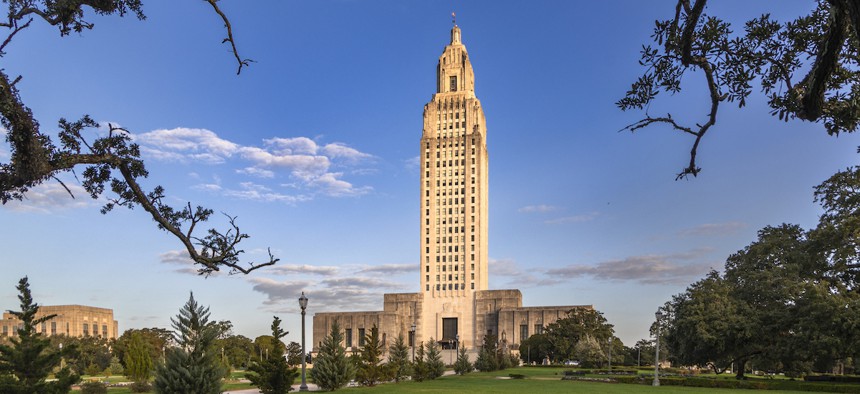
Juan Silva via Getty Images




A Louisiana legislative committee has advanced a bill that would add the creation of deepfakes to a list of punishable offenses for college students and employees.
This story is originally published by the Louisiana Illuminator.
A Louisiana legislative committee has advanced a bill that would add the creation of deepfakes to a list of punishable offenses for college students and employees.
Senate Bill 347 by Sen. Regina Barrow, D-Baton Rouge, adds deepfakes to the definition of power-based violence. It was advanced unanimously Wednesday from the Senate Committee on Education.
Power-based violence occurs when someone asserts power to control or intimidate another person. It is more expansive than sexual misconduct or other offenses under Title IX, the federal law that prohibits sex-based discrimination in college settings.
Under Louisiana’s power-based violence law, the Title IX offices at colleges and universities can investigate and punish students and employees for dating violence, domestic or family violence, sexual assault, sexual exploitation, sexual harassment, stalking, unwelcome sex- or gender-based behavior that is “objectively offensive” and has a discriminatory intent.
Current law also prohibits “nonconsensual observation of another person’s sexuality” without their consent, which includes voyeurism, “peeping Tom” behavior and revenge pornography, which is when private images are disclosed without permission.
Barrow’s bill expands the law to include deepfakes, which are manipulated digital images, video or audio intended to be passed off as genuine from the person being depicted.
“This is a new era that we are in with all the technology,” Barrow said.
Deepfakes are becoming more accessible with the rise of generative artificial intelligence. There are many services available online that can freely or cheaply take an authentic image of a clothed person and produce a picture or video that appears to show them naked or even engaged in sexual activity.
Barrow told lawmakers on the committee students brought the issue to her attention, and her bill was intended to address their concerns.
The bill is supported by Morgan Lamandre, president of Sexual Trauma Awareness and Response, a nonprofit that has played an active role in crafting Louisiana law and policy on sexual misconduct.
Barrow has another piece of legislation, Senate Bill 346, that would offer similar protections against deepfakes for K-12 students. It also advanced unanimously from committee Wednesday.
Both bills head next to the full Senate.
Louisiana Illuminator is part of States Newsroom, a nonprofit news network supported by grants and a coalition of donors as a 501c(3) public charity. Louisiana Illuminator maintains editorial independence. Contact Editor Greg LaRose for questions: info@lailluminator.com.