Surveillance
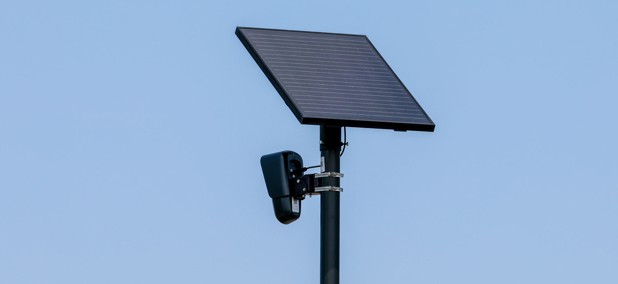
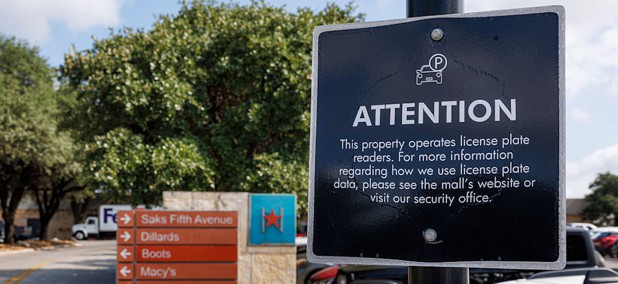
Texas city charges $2 million for Flock records as agencies make it harder to see how cameras are used
High invoices and challenges to accessing data on how departments use the surveillance cameras have hindered requests by privacy advocates and journalists.

Milwaukee County Board committee advances resolution to remove Flock from parks
The Milwaukee County Board will soon vote on whether to remove Flock cameras from county parks as the sheriff's office pushes back.


How 9/11 changed the way America surveils its citizens
Twenty-five years later, the surveillance state has become a part of everyday policing. AI is taking it a step further.
Immigration searches were conducted on Twin Falls Flock network. A month later, agreements changed.
Public records show nationwide police agencies conducted immigration searches on Twin Falls Automated License Plate Readers, evading state law and department policy.

All eyes on Flock as Idaho navigates surveillance technology across the state
The technology faces nationwide controversy because of concerns around data privacy, shaky oversight and the potential for warrantless searches.




Police use of artificial intelligence grows as rules lag behind
Experts warn that AI-powered policing could expand surveillance and amplify bias.


Colorado bill to ban surveillance prices, wages vetoed by Gov. Polis
Colorado Gov. Jared Polis vetoed a bill that would have prohibited corporations from using someone's personal data to set individual wages and prices.


A new Oregon law regulates police use of license plate readers. Here’s how it works.
The legislation empowers Oregonians to sue technology vendors who violate the law’s privacy protections.


Surveilled and sold: Privacy and sanctuary in Portland
How effective are Portland, Oregon’s sanctuary city policies when ICE can track and surveil immigrant communities with ease?


Your personal data might set your grocery prices. States aim to crack down.
Retailers are using surveillance pricing to set individualized amounts customers will pay.
Featured eBooks





Businesses can’t require microchip implants for workers under new Washington law
Workers in the state don’t need to worry about their employers forcing them to get a microchip implant under a bill signed Wednesday.


States tackle transparency in early responses to workplace surveillance tech
As employee-monitoring tech gains traction in workplaces across the U.S., experts say policymakers must ensure such services are deployed transparently and responsibly.


He saw an abandoned trailer. Then, he uncovered a surveillance network on California's border
Southern California residents are noticing new license plate readers that appear to be operated by the Border Patrol. Some have had confusing encounters with agents.


Eyeball recognition, surveillance towers part of $40 million immigration awards for local Florida police
Gov. Rob DeSantis and the Cabinet approved the latest portion of a $250 million state grant for enforcement.


Hidden in plain sight: Surveillance at the Arizona border
From hidden license plate readers to AI-powered cameras, federal agents have built a vast monitoring network that stretches deep into Arizona.


Amazon’s Ring wanted to track your pets. It revealed the future of surveillance
Private companies selling ‘intelligence as a service’ are changing the face of intelligence and how private and personal data is used.


ICE may be tracking you via your cell phone. A Minnesota law can help.
A data privacy law — signed into law in 2024 — gives Minnesota residents the right to tell companies “no” when it comes to selling their data or using it for profiling and targeted advertising.


Worried about surveillance, states enact privacy laws and restrict license plate readers
As part of its deportation efforts, the Trump administration has made a push for personal data.


Lawmakers look to make old laws on recording relevant in a world of Ring cameras, cellphones
Several measures to amend Maryland’s two-party wiretap law are likely to be reintroduced for the 2026 legislative session.


New York City Mayor Eric Adams uses free internet program to expand police surveillance
The Adams administration is using its flagship broadband program to give police real-time access to NYCHA camera feeds — without telling anyone.

