Public Safety


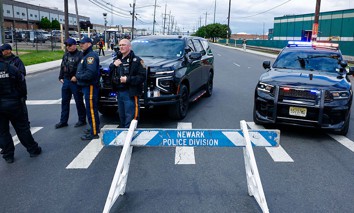
As police increasingly embrace AI, some wait for regulations and proof it works
New Jersey has no statewide guardrails on police use of artificial intelligence, but that hasn't stopped cops from using it.


How 9/11 changed the way America surveils its citizens
Twenty-five years later, the surveillance state has become a part of everyday policing. AI is taking it a step further.


Flock cameras divide Tennessee governments, residents over privacy as some end their contracts
In East Tennessee, several counties swear by the license plating-reading technology, while others vote to end contracts.
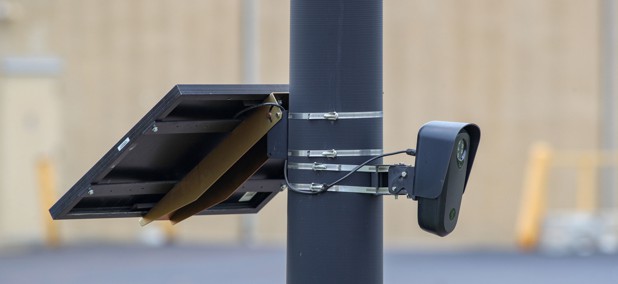
Flock blockers: 5 proposals seeking to regulate Flock cameras and ALPRs in Pennsylvania
Lawmakers in the General Assembly plan to introduce a number of bills looking to regulate automated license plate reader technology in Pennsylvania.


How the World Cup became a ‘forcing function’ for drone security
While some acknowledged the rollout was a little “chaotic” at times, experts said it has helped states and cities think a lot more about how they manage their skies.




Missouri launches statewide app to help officials, residents prepare for flooding
The Missouri Hydrology Information Center has designed a mobile app and website aimed at making complex flood and drought data easier for the public and government users to navigate.
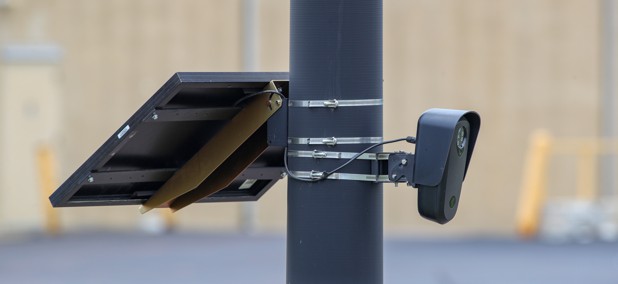
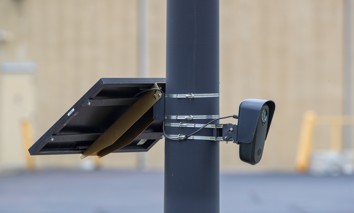
Flock Safety tightens safeguards as states, cities question surveillance network
More than 50 communities have canceled contracts or deactivated cameras this year.


All eyes on Flock as Idaho navigates surveillance technology across the state
The technology faces nationwide controversy because of concerns around data privacy, shaky oversight and the potential for warrantless searches.


Why large events require smarter, long-term security investments
COMMENTARY | The just-concluded World Cup and upcoming Olympics highlight the need to plan beyond the stadium or venue and support public safety years after fans go home.


Inside the World Cup security operation
A massive effort years in the planning at the federal, state and local level helped keep the tournament safe, even as it faced enormous threats of many kinds that all needed mitigating.
Featured eBooks





Police use of artificial intelligence grows as rules lag behind
Experts warn that AI-powered policing could expand surveillance and amplify bias.


The evidence is on camera. Keeping it there requires an identity resilience strategy
COMMENTARY | Footage captured by CCTV and other devices is only as trustworthy as the identity infrastructure controlling it.


Privacy, efficacy concerns continue as Detroit police seek more than $2M extension to ShotSpotter
Police officials have argued that the technology has contributed to decreasing gun crimes in the city since it was established in Detroit, emphasizing its use as an important investigative tool.


Georgia fire department launches drone program to enhance public safety response
A public safety agency in the state recently enlisted a drone to expedite first responders’ reaction and preparation for emergency calls.


New Mexico DOJ touts statewide progress with new ‘crime gun’ data tracking initiative
Months into its new "crime gun" database program, the New Mexico Department of Justice announced significant progress across the state.


Alleged FSU shooter was ‘co-conspiring’ with ChatGPT, new lawsuit alleges
The lawsuit attempts to lay groundwork to prove OpenAI rushed its products to market without effectively gauging the risk to the public.


How AI can lead to false arrests and wrongful convictions
COMMENTARY | Danger arises when law enforcement believes that AI models are retrieving certainties rather than generating likelihoods.


Report: How public safety agencies can tap drones to protect major events
The report highlights how public safety leaders can leverage tech and operational changes to strengthen their defense against drone-enabled threats during large-scale gatherings.


Beyond 99.9%: Why public safety can’t afford 'standard' uptime
COMMENTARY | First responders rely on various technologies that all must work continuously, but that responsibility is also a challenge that needs strategic planning.


Oklahoma city launches portal to help staff field and prioritize 911 calls
The web-based portal will eventually integrate with the city’s CAD system, helping to streamline response times and operations across the police, fire and emergency medical departments, one official says.

